
How Much Does it Cost to Install an Acoustic Ceiling?
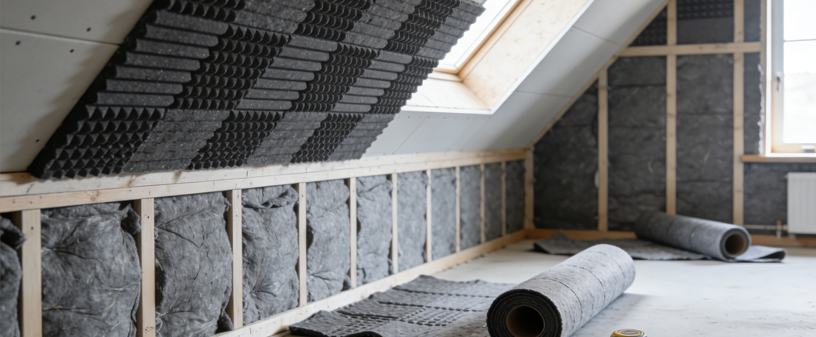
When planning a commercial or residential sound control upgrade, one of the first questions that comes up is acoustic ceiling cost. While acoustical ceilings are widely used in offices, schools, theaters, and increasingly in homes, pricing can vary significantly depending on materials, installation method, and room conditions. Understanding what goes into the cost helps you set realistic expectations and avoid surprises once installation begins.
This guide breaks down what an acoustical ceiling is, how pricing typically works, and which variables matter most. Whether you are budgeting for a small home office or evaluating office acoustic ceiling cost across a larger space, this article will help you make a more informed decision.
Basic Acoustic Ceiling Cost
On a national level, installed acoustic ceiling cost typically falls into the following ranges:
Typical installed range: $6 to $20 per square foot
Average installed cost: $10 to $14 per square foot
Material-only average pricing: $2 to $10+ per square foot depending on performance and finish
The wide spread exists because no two ceilings are truly alike. However, three primary cost drivers account for most price differences:
Materials – Tile or panel type, thickness, facing, and whether specialty layers like sound barriers are included
Room Complexity – Ceiling height, obstructions, lighting, sprinklers, and penetrations
Add-ons – Insulation backers, barrier layers, premium fabrics, or washable finishes
One important note up front: direct-mount acoustic panels vs. drop-in grid tiles change both the labor approach and material mix, which has a meaningful impact on total installed cost.
Acoustic Ceiling Cost per Square Foot
Installed acoustic ceiling cost per square foot typically breaks down as follows:
Drop ceilings approximately: $7 to $18 per square foot installed
Direct-mount panels average: $6 to $16 per square foot installed
Smaller rooms often cost more per square foot because of minimum labor charges and the higher percentage of cuts around lights, vents, and edges. Premium finishes, thicker panels, or ceiling tiles with sound blocking capabilities will also push costs upward.
Again, this is a very tricky question to approach. There are a lot of variables involved – room geometry, product selection, and performance goals all influence final pricing, making exact comparisons difficult without project-specific details.
Itemized Cost Breakdown (Where the Money Goes)
Understanding how costs are allocated helps clarify why quotes vary.
Materials
Acoustic ceiling tiles or panels (material type, thickness, facing)
Grid metal for suspended systems
Adhesives, fasteners, or stick pins
Labor
Layout and leveling
Cuts around lighting, diffusers, and sprinklers
Alignment and edge detailing for direct-mount systems
Add-ons
Lighting modifications
Insulation backers or sound barrier ceiling tiles
Mass loaded vinyl ceiling tiles for additional blocking
Cleanup and haul-off
Permits & Inspections
Permits may apply in commercial settings or when fire-rated assemblies are modified. Always confirm local requirements before installation begins.
Budgeting Tips to Lower Your Acoustic Ceiling Cost
There are practical ways to control cost without sacrificing performance. Standard tile sizes, simple layouts, and early planning for lighting and penetrations all help reduce labor time.
In value-driven projects, proven materials like painted fiberglass or polyester tiles often deliver strong results without premium pricing. In humid or high-use areas, selecting the right material upfront can also reduce long-term maintenance costs.
Drop Ceiling vs Drywall – Which Is Cheaper?
Drywall often wins on upfront cost, but it offers limited acoustic control and eliminates access to utilities. Drop ceilings are typically chosen for flexibility – concealing infrastructure while still allowing access and improving acoustics.
Even the best drop ceiling will not block as much sound as a continuous drywall ceiling, but it can solve problems drywall alone cannot. The right choice depends on whether access, flexibility, and acoustic performance outweigh initial cost.