-
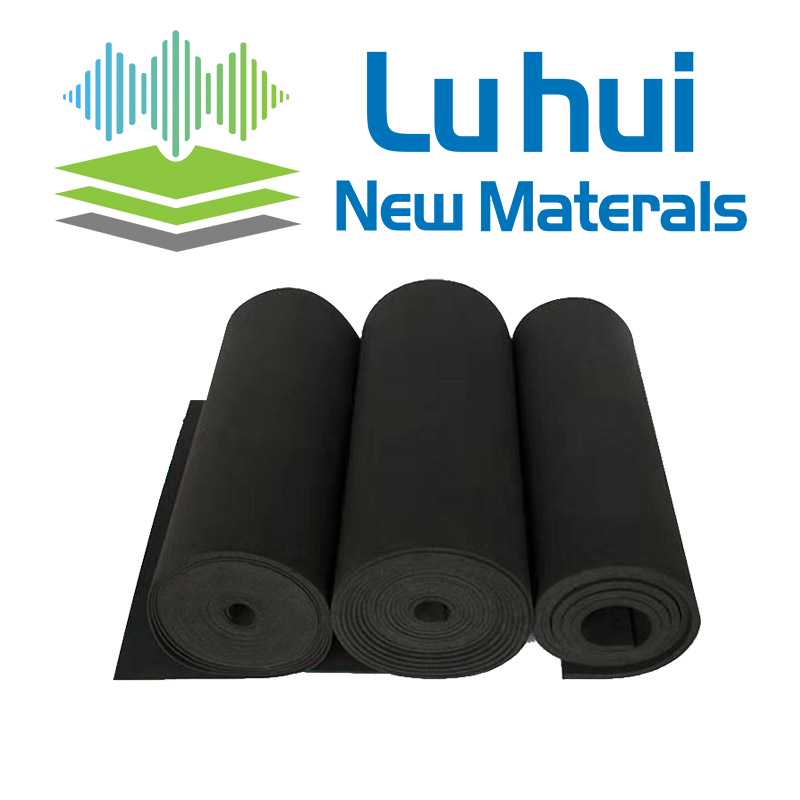
Rubber shock absorber and sound insulation pad LH810 (pure rubber version)
VIEW MORE -
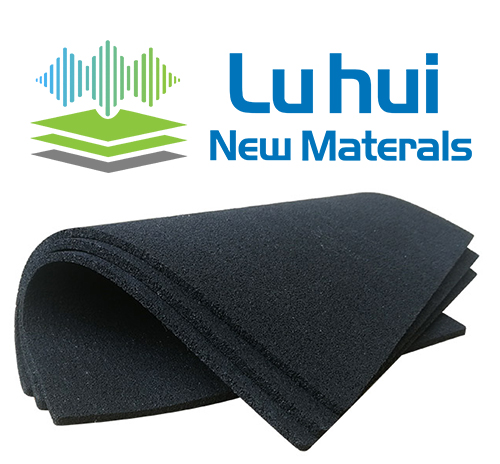
Rubber shock absorber and sound insulation pad LH810 (pure rubber version)
VIEW MORE -
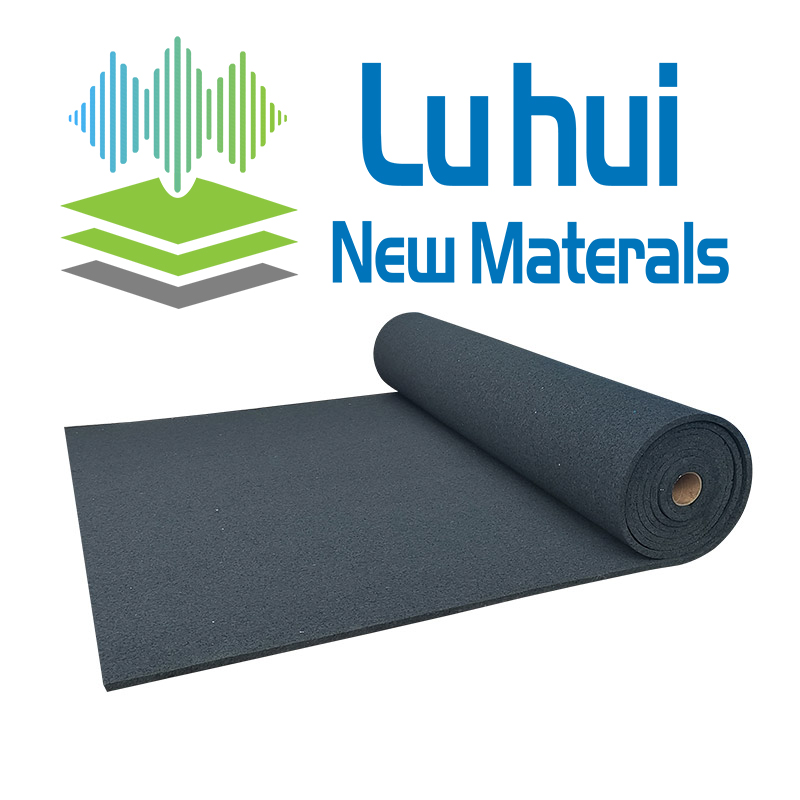
Rubber shock absorber and sound insulation pad LH810 (pure rubber version)
VIEW MORE -
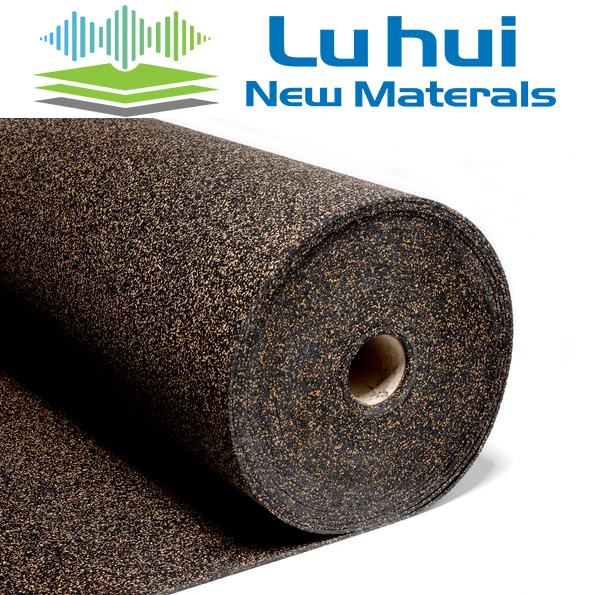
Cork Rubber mat shock absorber and sound insulation pad LH900(cork rubber version)
VIEW MORE -
Brand-new Polyurethane (PU) Vibration and Sound Insulation Pad
VIEW MORE -
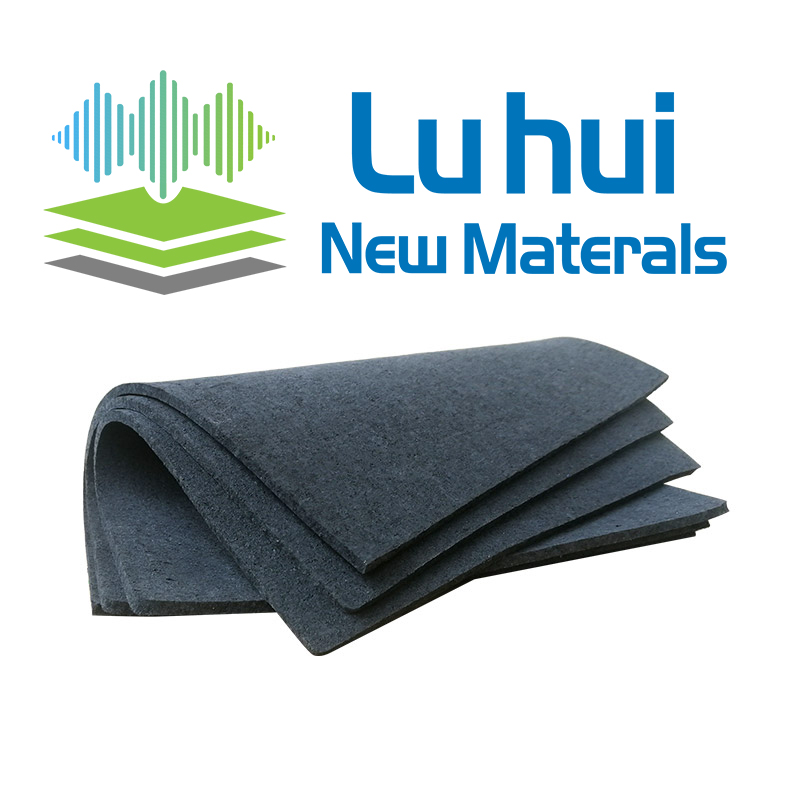
Polyurethane rubber shock-absorbing and soundproofing pad LH700(fireproof version)
VIEW MORE -
Single sided concave shock-absorbing and soundproof pad LH725 (fireproof version)
VIEW MORE -
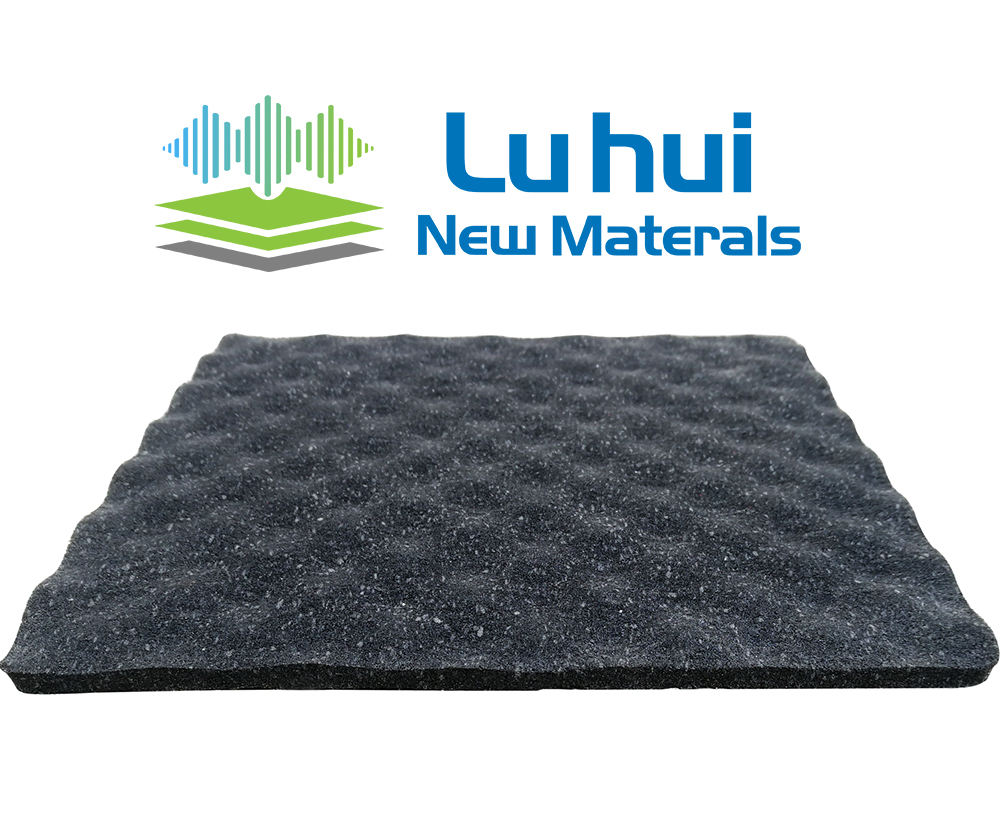
Single sided concave shock-absorbing and soundproof pad LH725 (rubber version)
VIEW MORE -
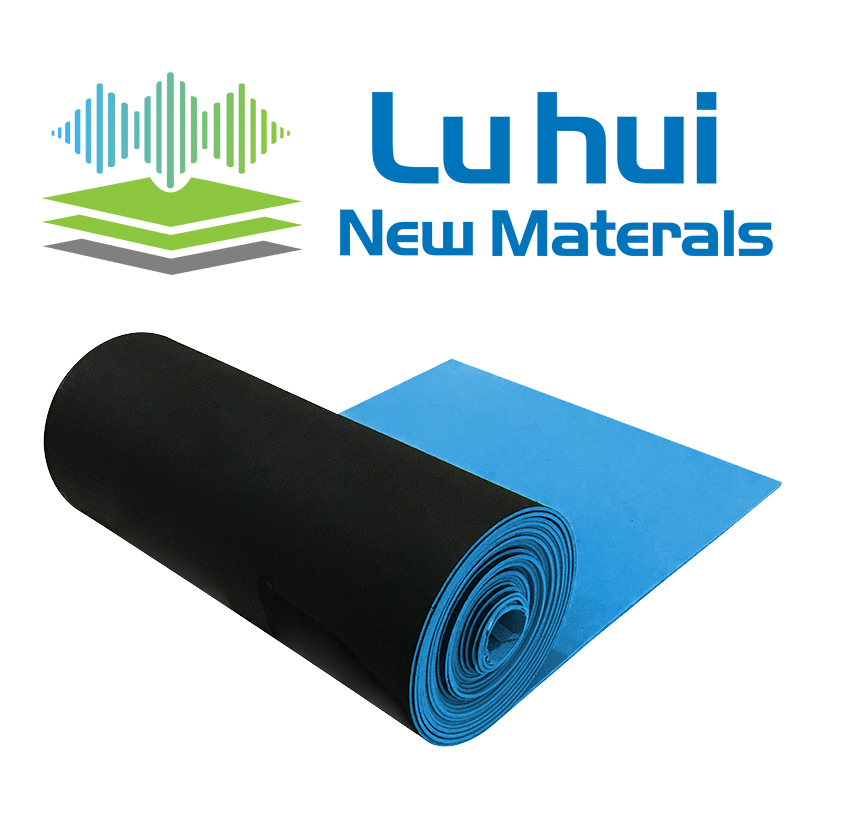
Laminated PU polyurethane soundproofing and shock-absorbing pad LHF100
VIEW MORE -
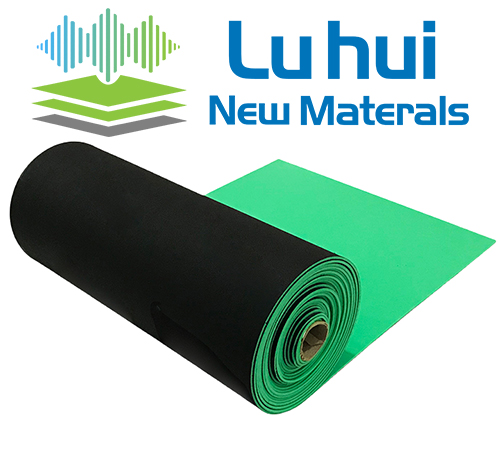
Laminated PU polyurethane soundproofing and shock-absorbing pad LHF100
VIEW MORE -
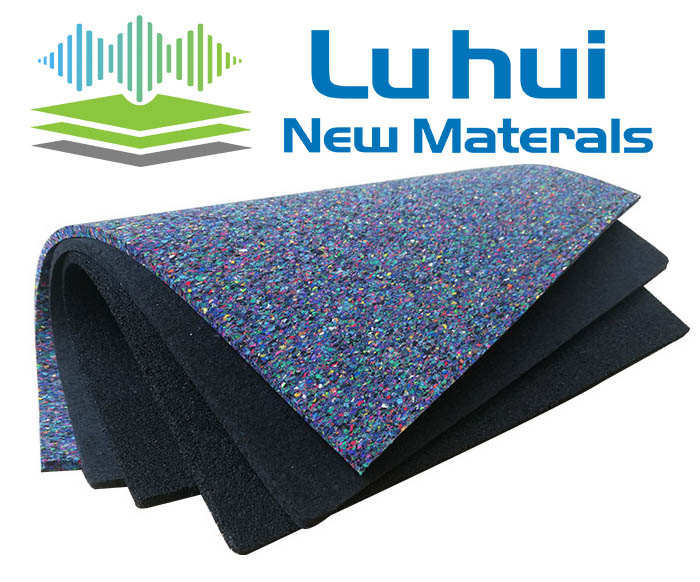
Polyurethane rubber shockproof and soundproof pad LH700 (regular model)
VIEW MORE -
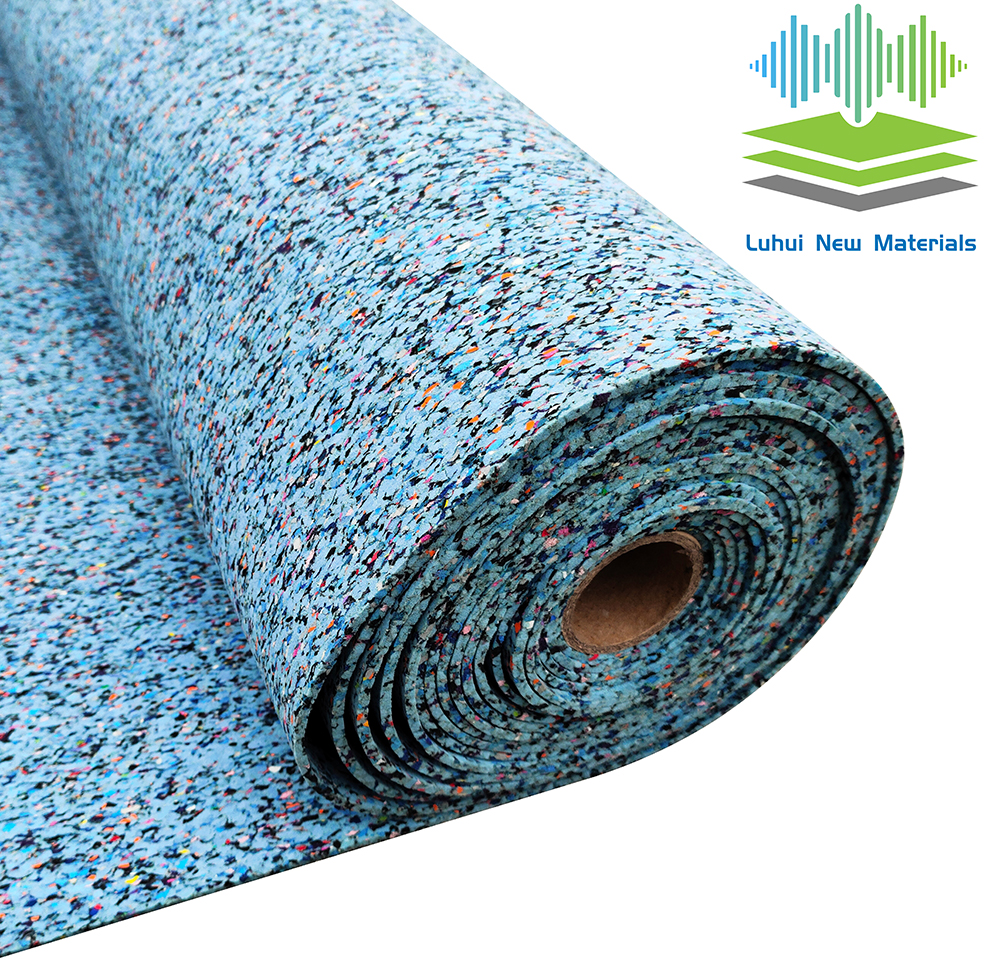
Polyurethane shock-absorbing and soundproof pad LH400
VIEW MORE
Sound Absorption Materials
Browse the best sound absorbing materials from Luhui New Material.We offer various types of sound absorbing materials for homes and commercial buildings.
Noise absorbing materials reduce echoing and reverberation in a room by limiting reflection. Sound bounces off any hard surface on impact, but sound absorption materials soften the blow. Our absorption products feature soft, porous materials like foam, fiberglass and cotton that welcome sound in but make it tough to get out.
Sound loses energy trying to escape these materials, reducing what reflects after impact. Your indoor space will feel quieter, allowing you to enjoy better sound quality when listening to the television, speaking with friends or mixing your latest single.Use our absorption products in your home, ofice,church, medical facility, school, home theater, restaurant or any other indoor space.
Sound Absorption for Any Application
We offer numerous types of sound absorbing products. Our acoustic foam panels and acoustic fiberglass panels install on walls,while hanging baffles suspend from the ceiling. An acoustic partition is an excellent sound absorber that you can move anywhere in your home or office. Products like acoustic cotton and water resistant panels offer unique solutions for select applications.
Request an acoustic analysis or contact us online for more on how to use our absorptive materials.
FAQs About Soundproof mat
Can they be used as insulation materials for pipes?
Yes, since it’s a mass material and flexible. It’s an ideal insulation material for pipes. Foil backed insulation is recommend for pipes.
Is thinner MLV insulation material sheet better than thin sheet?
In general, the greater the mass and thickness, the better the low-frequency attenuation of the MLV sheet. Rigid MLV sheets with higher densities may not be as effective as compatible MLV sheets with lower densities.
Should I install the MLV insulation materials vertically or horizontally on a wall or ceiling?
In general, the direction of the MLV sound insulation materials hanging on a wall or partition is not important. However, MLV should be suspended in a way that minimizes the number or number of joints.
Can I bind MLV insulation materials directly to a wall or partition?
There are some self-adhesive wall insulation materials on the market. However, binding MLV directly to a wall or partition will destroy the MLV and only cause moderate sound attenuation.
When MLV vibrate independently, it will decay the acoustic energy in two ways. Therefore, we do not recommend placing the MLV directly on a wall or wall.
How does MLV acoustic insulation materials work?
Since MLV is viscoelastic material, which exhibits two behaviors – they will flow, but when the force is removed or reversed, they will return to the original shape. This nature, known as hysteresis (or damping), contributes to the ability of MLV to attenuate sound. Many companies claim that MLV “converts sound into heat” is a mechanism, although it is not the basic means of MLV attenuation of sound.
What is MLV noise insulation materials made of?
At least since 1960s, MLV insulation materials have been used for sound insulation. It is essentially a viscoelastic material, such as polyvinyl chloride (PVC or vinyl), which is loaded with inert materials such as calcium carbonate or barium sulfate.